

April is Distracted Driving Awareness Month, a time for all drivers to evaluate their driving habits to ensure they’re driving as safely as possible ...
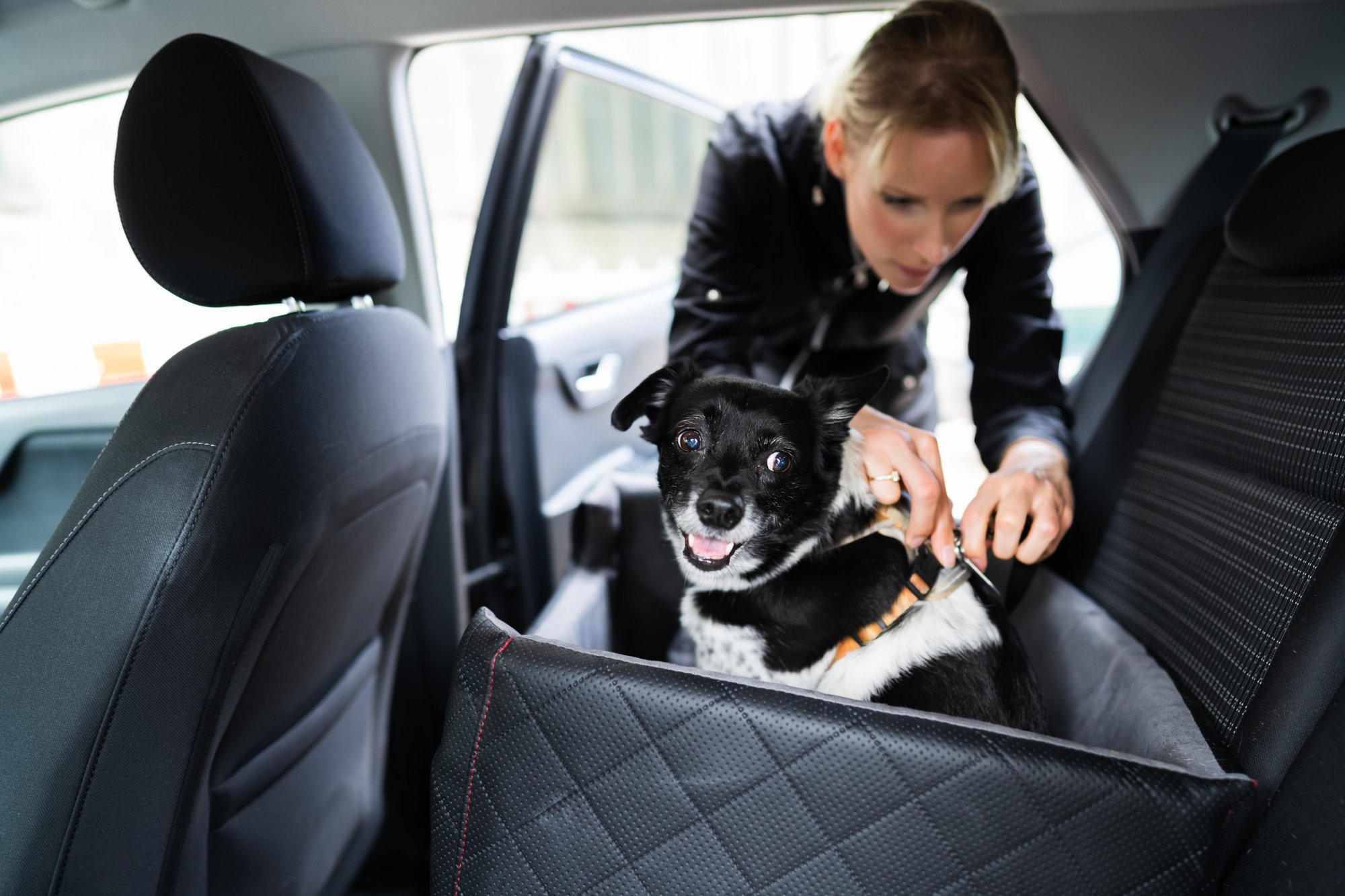
Pets are a big part of many families. More than 63 million households own a dog. Because they’re considered part of the family, they often accompany families during ...
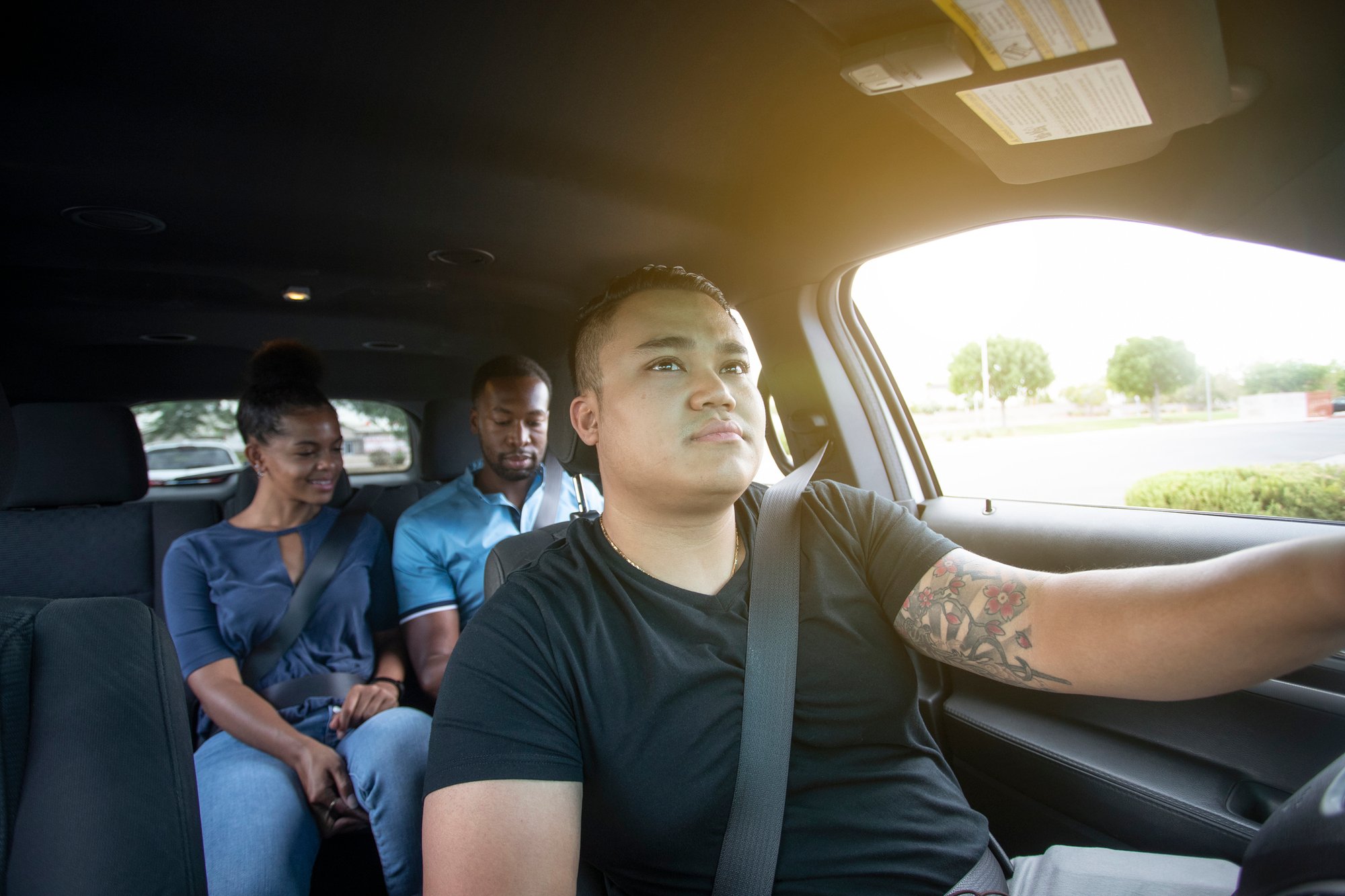
A new survey by the Insurance Institute for Highway Safety identified the groups of drivers most likely to be distracted while behind the wheel. The survey of more than 2,000 drivers ...
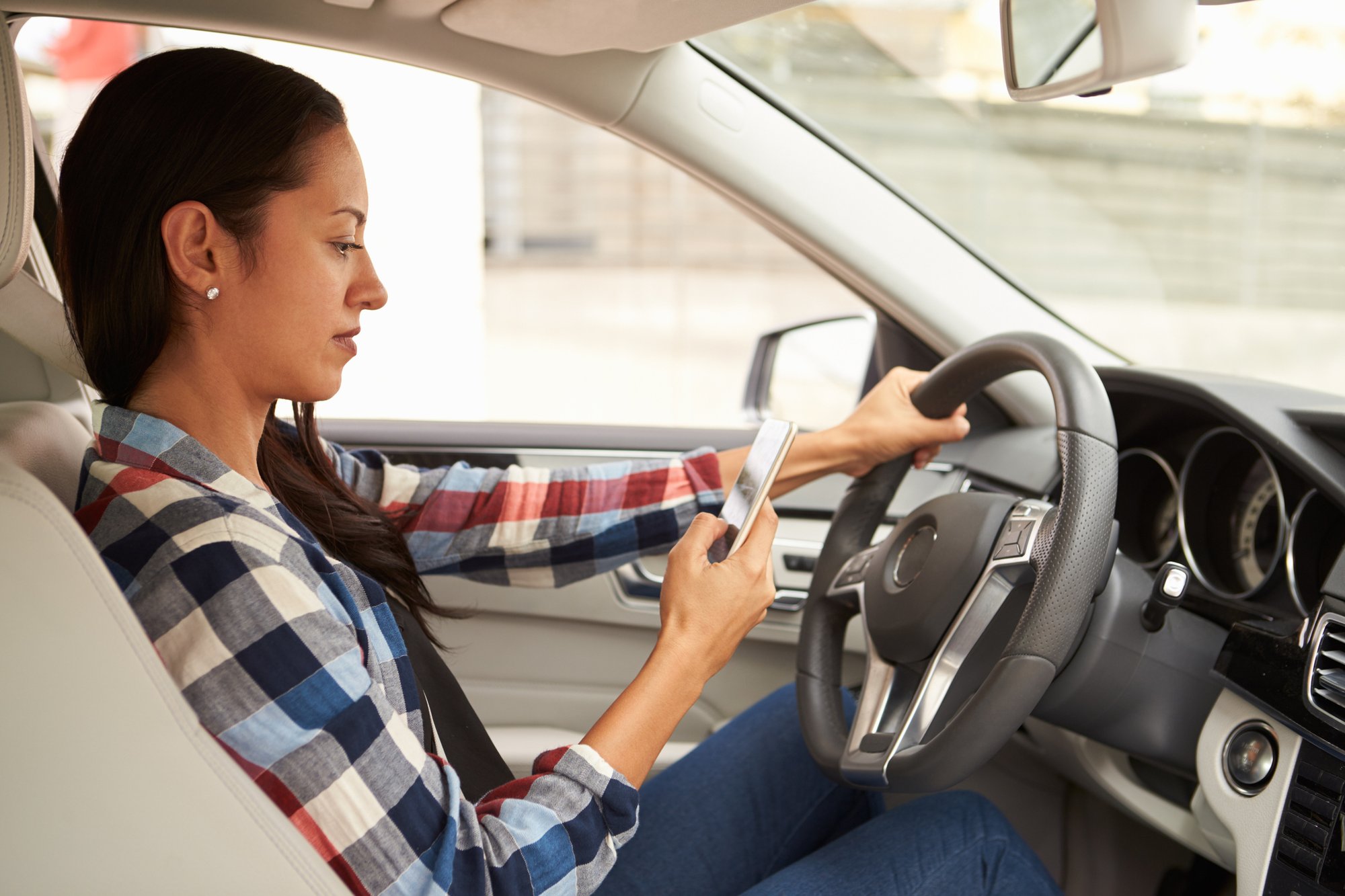
Almost every state across the nation has some kind of law on texting while driving. Drivers know texting in the car isn’t safe and can lead to fines or jail time if they’re ...

In 2019, there were 228,679,719 licensed drivers and 299,267,114 registered vehicles in the United States. Drivers drove a total of over three trillion miles.1

36,096
The number of people killed in motor vehicle traffic crashes on US roadways during 2019.

2.74 million
The estimated number of people injured on our roadways

According to the NHTSA,
distracted driving led to:
3,600 deaths in 2019
3,142 deaths in 2018
2,628 deaths in 2017

In 2018 about one in five people who died in crashes involving a distracted driver WERE NOT in vehicles ― these people were walking, riding their bikes, or otherwise outside a vehicle.2

Nine percent of fatal crashes, 15 percent of injury crashes, and 15 percent of all police-reported motor vehicle traffic crashes in 2019 were reported as distraction-affected crashes

Nine percent of drivers 15 to 20 years old involved in fatal crashes were reported as distracted. This age group has the largest proportion of drivers who were distracted at the time of fatal crashes

In 2020, 22.7% drivers reported that they sent emails or a text messages on hand-held cell phones within the past 30 days.3

One in three teens who text say they have done so while driving. Research indicates that dialing a phone while driving increases a teen’s risk of crashing by six times. Texting while driving increases the risk of crashing by 23 times.4


92.8% OVERALL CLAIMS SATISFACTION
Please help us improve your experience by taking this one minute survey.
We appreciate your feedback