Car Travels 100 Yards During Four-Second Distraction
DES PLAINES, Ill. - As an incentive for paying attention while driving, consider
this: at 55 miles per hour, you travel the length of a football field while taking
your eyes off the road for less than four seconds. traffic
And a just-released study using magnetic resonance images of brain activity indicates
people performing two demanding tasks simultaneously, such as driving and conversing,
use a smaller portion of the brain on each function than they would if each were
done alone. The study, published in the August 1 issue of the journal NeuroImage,
did not deal directly with driving and talking but it involved tasks that engage
similar brain regions. The study was led by Dr. Marcel Just, a psychology professor
and co-director of the Center for Cognitive Brain Imaging at Carnegie-Mellon University
in Pittsburgh. Plans are under way for a similar study using driving simulators
while someone is talking to the "driver."
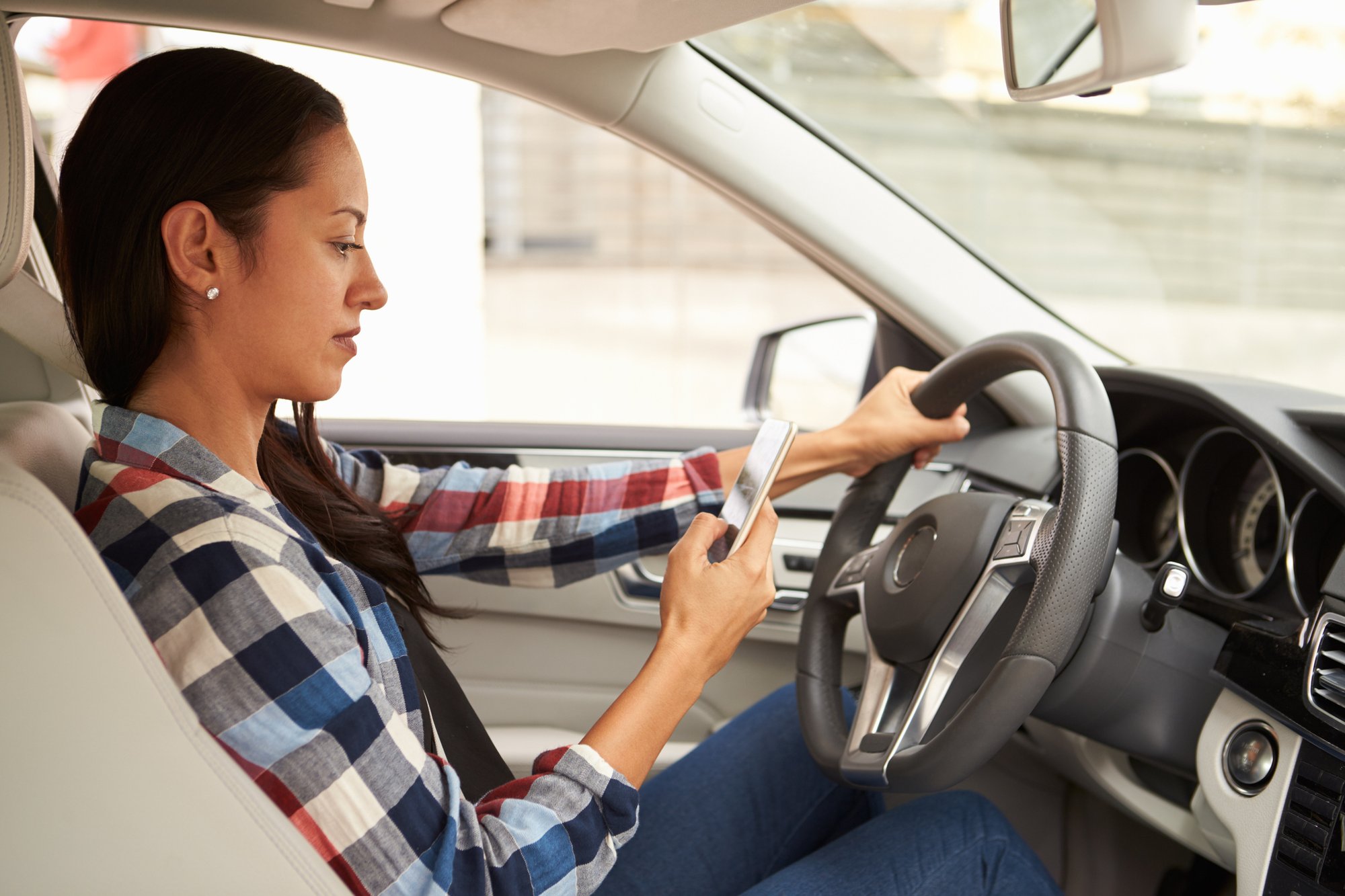
"Dr. Just's study underscores an aspect of cellular phones that often is overlooked
in current debates, that is the conversation itself," said David Golden, National
Association of Independent Insurers (NAII) director of commercial lines. "Although
holding a phone - or anything else - in your hand may interfere somewhat with your
driving, a bigger problem may be the conversation, especially if it gets involved
or emotional. Whenever you get engrossed in a conversation, you pay less attention
to what is going on around you. In a car, that can be very serious - even fatal."
Based on a 1996 study, the National Highway Traffic Safety Administration (NHTSA)
estimates that driver distraction of all types contributes to 20 to 30 percent of
all serious traffic accidents.
"All drivers have a responsibility to exercise good judgment in all of their driving
activities," Golden said. "The lead role in improving motorist awareness and driving
skills should be borne by driver licensing officials and vehicle safety authorities,
including state motor vehicle departments and the U.S. Department of Transportation.
But the person behind the wheel must make a concerted effort to always be alert
as to conditions and activity on the roadway."
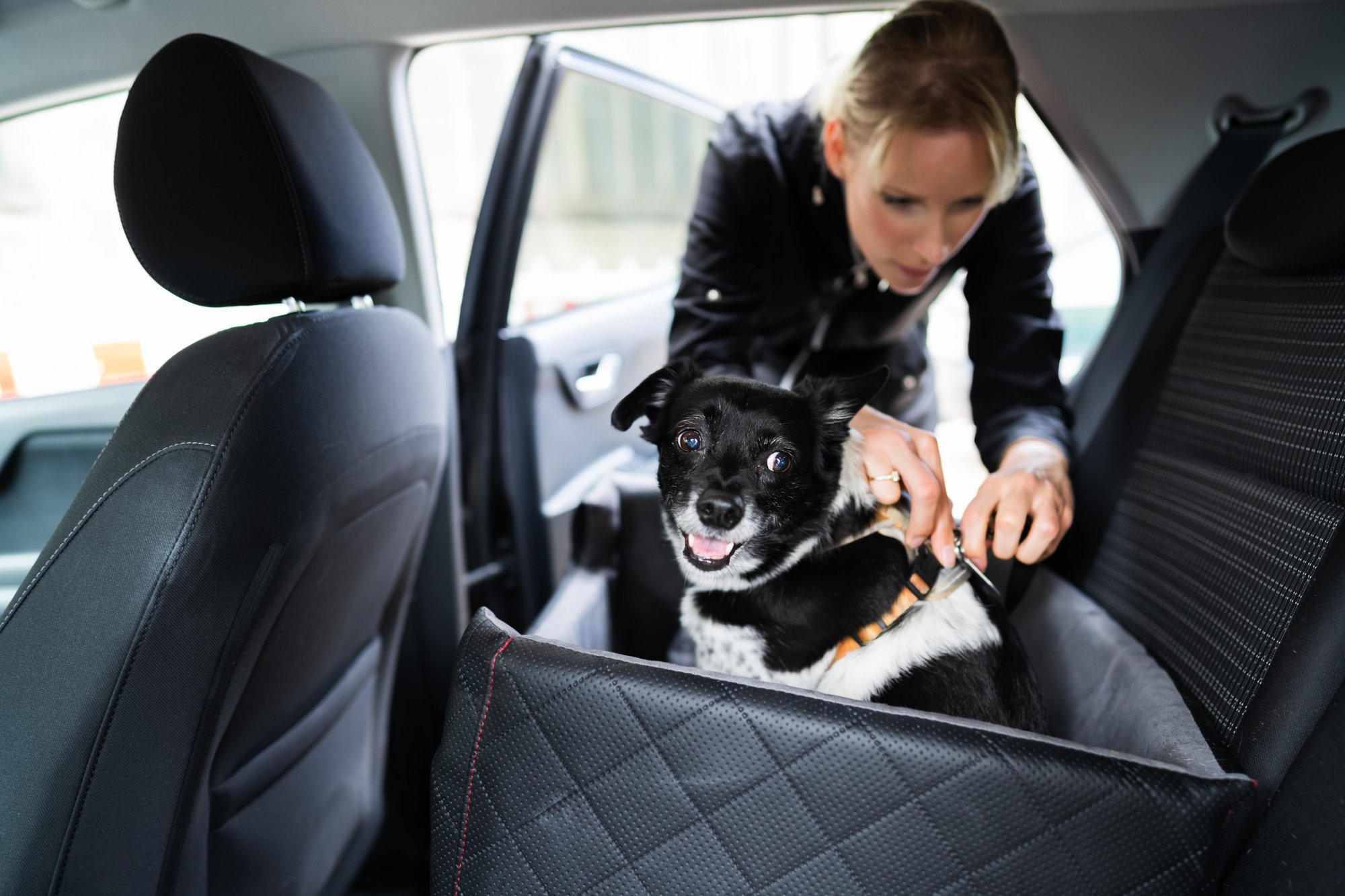
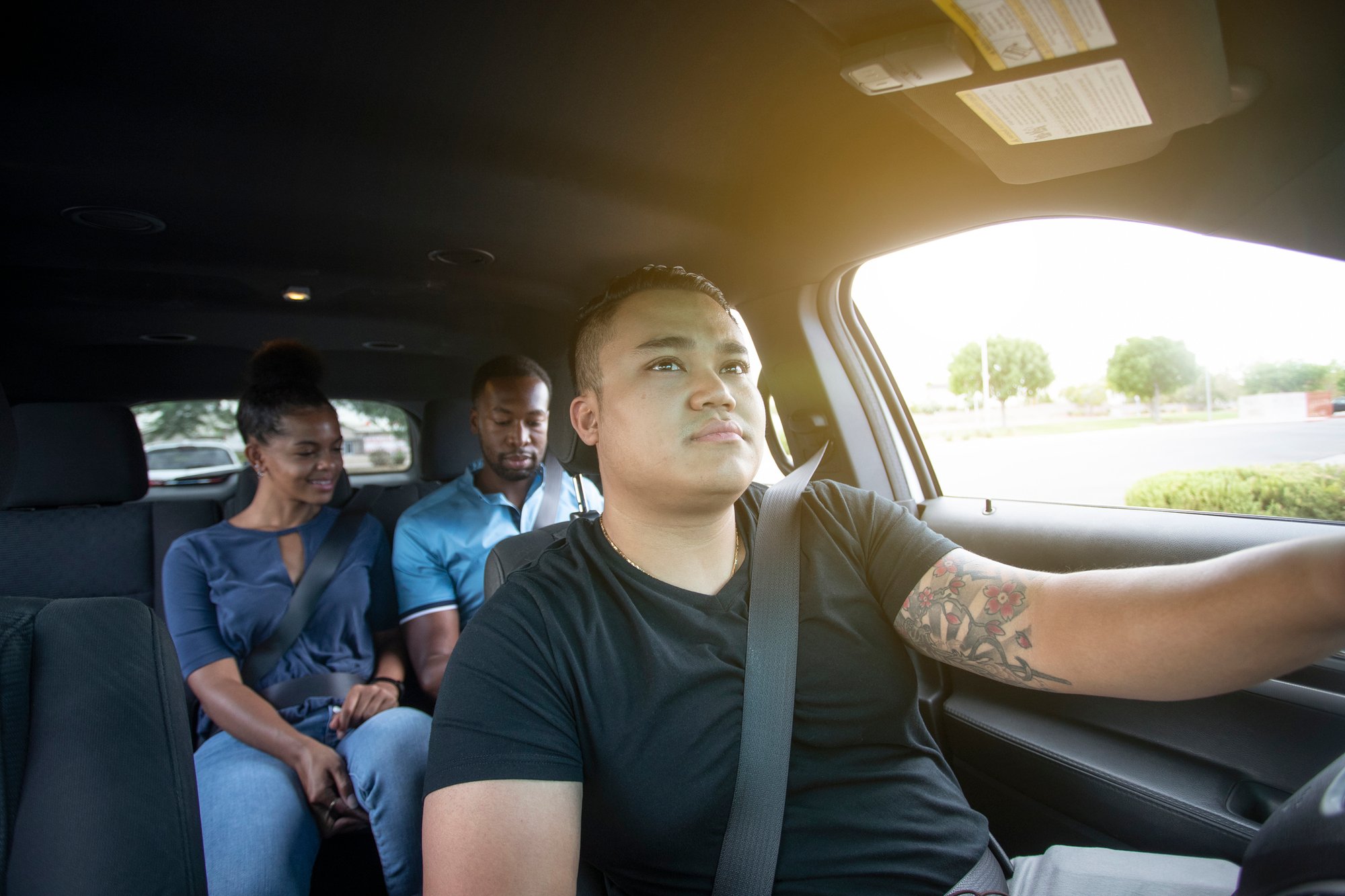
Golden noted that a variety of distractions can compete for a driver's attention
- from cell phones and intense conversations with passengers in the vehicle to eating,
personal grooming and looking at maps and newspapers. He suggested that drivers
make a conscious effort to minimize those distractions, and preferably to engage
in them only when the vehicle is stopped.
"Distractions are only going to increase as car manufacturers install more information
and entertainment equipment in vehicles," Golden said. "While those devices are
helpful, they should be used only when the vehicle is stopped, or located where
the driver can't see them." Among distracting devices that already are being installed
in cars, or soon will be, are those providing Internet and e-mail access, voice
mail, electronic maps and navigational systems, hi-fi digital stereo, compact disc
player, DVD player, VCR and compact television screens.
A recent survey by one NAII member company found that 69 percent of people eat while
driving, 12 percent apply makeup or shave and seven percent read a newspaper or
book. A 1997 study in the New England Journal of Medicine found that talking on
a phone while driving quadrupled the risk of an accident and was almost as dangerous
as drunken driving.
"The role that cell phones may play in traffic accidents is uncertain, in part because
few people would admit to using a phone when they have an accident," Golden said.
"States are only now beginning to add a provision in their accident report forms
so police can indicate whether a phone was being used - again, if the driver would
admit it or someone witnessed it."
The abundance of cell phones is growing rapidly. A NHTSA survey completed in January
2001 found that 54 percent of motor vehicle drivers in the United States usually
have a cell phone in their vehicles or carry one while driving. Almost 80 percent
of those drivers leave the phones on while driving and 73 percent report having
talked on the phones while driving.
New York became the first state this year to ban the use of hand-held phones while
driving. Several communities had done the same earlier. None of those measures prohibit
hands-free phones.
Golden offered several suggestions to minimize driver distractions:
- Don't plan to fill traffic time with phone conversations. Keep your mind on driving.
- If you know you will be tempted to look at a newspaper, business report or day planner
if it's handy, put it in the trunk before you leave.
- Be sure there is nothing in the car that will slide around or tip over while you
are on the road.
- Plan your route and complete your grooming before starting the car.
- Preset the climate control, radio or CD and don't fiddle with them once you are
under way unless you are stopped, as at a red light.
- If you are not familiar with the car, such as in a rental vehicle, identify the
location of signals, wipers and lights before starting out.
- If you are hungry or thirsty, stop and take a break rather than eat or drink while
driving.
- National Association for Independent Insurers
NAII, based in suburban Chicago, is the nation's leading property/casualty trade
association with more than 690 member companies writing more than $98 billion in
annual premium. NAII members write more than 33 percent of the property/casualty
insurance in the United States.