



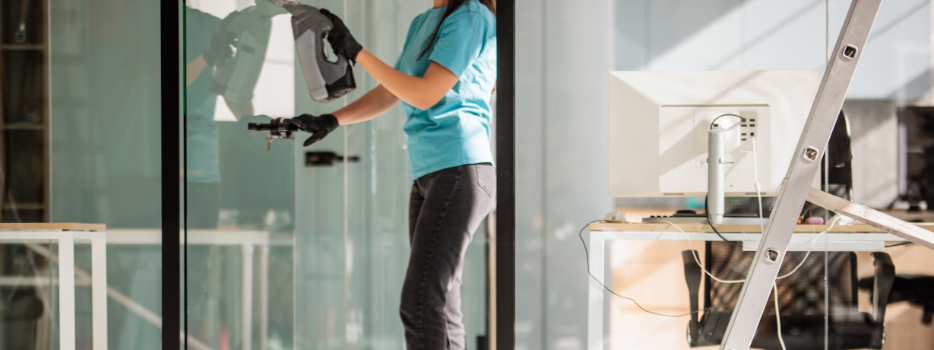
Janitorial staff are an essential part of every organization. They keep work areas clean, safe, and operational, but they're also at risk for common workplace injuries. Janitorial employees often work in environments that expose them to multiple hazards throughout a single shift. Wet floors, repetitive cleaning motions, cleaning chemicals, and powered equipment can all increase the risk of workplace injuries. By identifying and reducing these risks, you’ll keep janitorial staff safe and may reduce workers’ compensation claims.
Prevent slips, trips, and falls
- Identify hazards: Frequently inspect work areas for wet floors, uneven surfaces, clutter, poor lighting, and other hazards that could contribute to falls. Address issues promptly and encourage employees to report concerns.
- Maintain safe walking surfaces: Keep floors clean, dry, and free of debris. Repair damaged flooring and use caution signs when cleaning or when surfaces may be slippery.
- Encourage proper footwear: Require employees to wear slip-resistant shoes that provide good traction and support. Proper footwear can help prevent many common fall-related injuries.
Lift and move materials safely
- Use proper lifting techniques: Train employees to lift with their legs, keep loads close to their bodies, and avoid twisting while carrying materials. Safe lifting habits help reduce back and shoulder injuries.
- Refrain from overexertion: Encourage employees to pace themselves and ask for help when handling heavy or bulky items. Fatigue and overexertion are leading causes of workplace injuries.
- Utilize moving equipment: Use carts, dollies, and other equipment to move supplies and waste whenever possible. Mechanical aids reduce physical strain and improve efficiency.
Reduce strains and sprains
- Practice proper ergonomics: Provide tools and equipment that minimize bending, reaching, and awkward postures. Simple ergonomic improvements can help prevent repetitive strain injuries.
- Stretch and warm up: Encourage employees to stretch before beginning physically demanding tasks. A brief warm-up can help prepare muscles and reduce the risk of strains.
Use equipment safely
- Inspect equipment before use: Check vacuums, floor scrubbers, cords, and other equipment for damage before use. Identifying equipment issues early can help prevent accidents and injuries.
- Follow operating procedures: Ensure employees understand and follow manufacturer instructions and workplace safety procedures. Proper training helps reduce equipment-related incidents.
- Report damaged equipment: Employees should report damaged or malfunctioning equipment immediately. Taking unsafe equipment out of service helps protect workers.
Handle cleaning chemicals safely
- Follow label instructions: Always use cleaning products according to manufacturer directions. Improper use can increase the risk of injuries, illness, or property damage.
- Wear appropriate personal protective equipment (PPE): Gloves, eye protection, and other PPE can help protect employees from chemical exposure. Provide the appropriate equipment for each task.
- Store products properly: Keep chemicals in labeled containers and specified storage areas. Proper storage helps prevent spills, leaks, and accidental exposure.
Make personal protective equipment (PPE) a daily habit
- Use the right protection: Match PPE, such as gloves and eye protection, to the task and hazards involved. The right protection can greatly reduce the risk of workplace injuries.
- Ensure proper fit and condition: PPE should fit properly and be inspected regularly for damage and wear. Well-maintained equipment provides the best protection for employees.
Creating a safer workplace for janitorial staff starts with consistent training, clear expectations, and everyday habits that reduce risk. By addressing common hazards and encouraging employees to speak up about safety concerns, organizations can help protect their teams and maintain a cleaner, safer environment for everyone.