



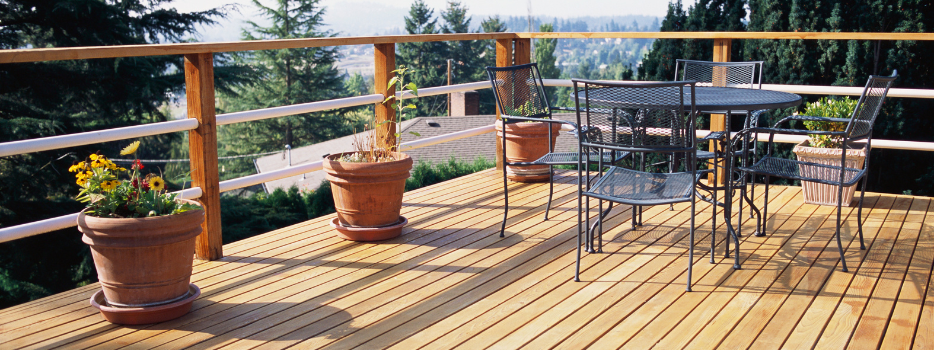
If you own a deck, you know that it faces constant exposure to the elements. Harsh sunlight, heavy rain, ice, and snow can all cause wear and tear over time. Even a deck that has been freshly painted or stained may require touch-ups as soon as the following year due to weather-related damage.
The average wooden deck typically lasts between 10 and 15 years. However, with proper care and regular maintenance, you can extend its lifespan and enjoy your outdoor space for many more years. Maintaining your deck not only enhances its longevity but also helps prevent injuries caused by deteriorating materials.
Key indicators that your deck needs attention
Here are some things that may indicate it may be time to repair or replace your deck:
Rotting wood
If you discover soft spots in your deck’s wood, this is often a clear sign of rot beneath the surface. You can use a screwdriver to probe these areas and assess the extent of the damage.
Loose floorboards
Cracks can be common as weather changes and don’t always signal a problem, but if boards shift underfoot, consider replacing them. Rot around the screws can cause boards to loosen and bowed boards may create tripping hazards.
Wobbly railings
Railings are essential for safety by preventing falls from the deck and helping people navigate stairs. If your railings feel unstable or wobbly, it’s important to repair them immediately to reduce the risk of serious injury.
Deteriorated posts
Deck posts are generally attached to concrete footings and help secure railings. Because they are structural, repair or replace damaged posts promptly.
Insect damage
Unchecked insect infestations can cause significant harm to your wooden deck. Be vigilant for the following pests:
-
Termites: These insects eat wood and cellulose-based products, including outdoor carpets. Termites cause billions of dollars of property damage each year.
Carpenter bees: These bees bore into wood, creating tunnels that weaken the structure.
Carpenter ants: These large black ants can be destructive, as they damage wood to build nests.
Signs of insect infestation
Be alert to these signs that your deck may be infested:
- Visible insects
- Wood shavings on the ground
- Spongy deck boards
- Hollow wood sounds
- Sunken wood
- Evidence of rot
To avoid extensive damage, reach out to your local pest control professional for assistance.
Deck replacement materials
If it’s time to replace your deck, here are some materials to consider:
Pressure-treated lumber
This type of wood is widely used for deck construction. It is treated with chemicals that help prevent rot and insect damage. If you use pressure-treated lumber, allow it to weather before applying paint or stain.
Cedar wood
Cedar is valued for its attractive appearance, light weight, and strength. However, it requires considerable maintenance to preserve its beauty over time.
Composite decking
Composite decking combines wood fibers and plastics, resulting in a durable material that can last up to 25 years with minimal maintenance.
Plastic lumber
Made from recycled plastic, this material is environmentally friendly and requires even less maintenance than composite decking. It can last from 20 to 50 years.
Aluminum
Prefinished aluminum is extremely strong and weather-resistant. It does not rot, rust, or attract insects. Available in various colors, it also features a slip-resistant coating.
Maintaining your deck requires ongoing care and thoughtful choices. By checking it regularly and fixing problems early, you can prevent minor concerns from turning into expensive safety risks. Proper maintenance also helps your deck last longer. If repairs start occurring often or cost too much, upgrading to a sturdier material could be a wise investment for the future.