



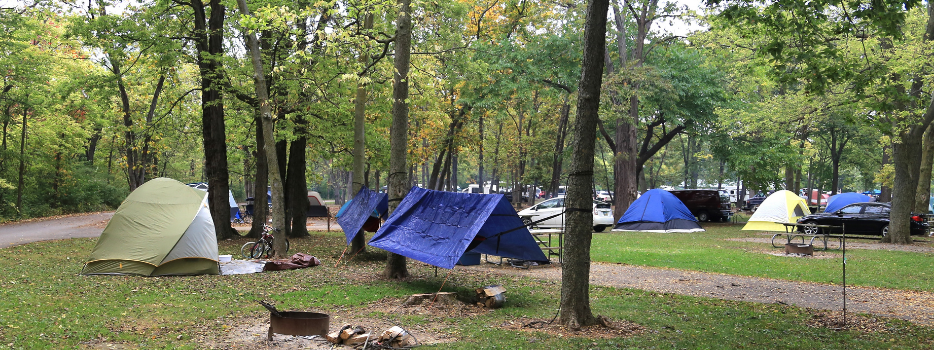
Campground maintenance is a year-round responsibility. From preparing campsites for opening day to protecting your property during the off-season, a proactive maintenance plan can help reduce accidents, prevent costly repairs, and create a better experience for your guests. Use this seasonal checklist to help keep your campground safe and ready for visitors throughout the year.
Fall: Prepare for cooler weather and reduced activity
As the season winds down, focus on preventing damage, addressing needed repairs, and preparing your facilities for winter conditions.
-
Identify repairs that should be completed before winter, such as roof or siding issues, cracked pavement, or damaged walkways.
-
Test heating equipment in camp buildings, including stores, offices, and cabins, to confirm everything is working properly before colder weather arrives.
-
Clean and store equipment that won’t be used during the off-season, such as bikes, kayaks, canoes, and other recreational gear.
-
Remove leaves and address slip-and-fall hazards before freezing temperatures create additional risks.
Winter: Protect your property during the off-season
Even if your campground closes during the winter months, maintenance should continue. Use the off-season to protect buildings, prevent weather-related damage, and plan for future improvements.
-
Secure vacant buildings by locking doors and windows and using alarm systems when needed.
-
Protect water pipes from freezing temperatures or drain exposed pipes that could be affected by the cold.
-
Return to the property after major storms to check for damage and remove heavy snow from roofs when necessary.
-
Use the winter months to review long-term maintenance needs and plan upcoming improvements.
Spring: Get your campground ready for guests
Winter can leave behind damage that isn’t immediately visible. Before welcoming guests, inspect the property carefully and address any off-season issues that could affect safety, operations, or the guest experience.
-
Inspect roads and campsites for storm damage, washouts, or new hazards.
-
Assess trees and landscaping by removing fallen branches and debris and trimming limbs that overhang campsites or buildings.
-
Check water lines for leaks or damage caused by freezing temperatures.
-
Review guest amenities, including bathrooms, playgrounds, picnic tables, fire pits, docks, and waterfront areas, to make sure they’re clean, safe, and ready for use.
-
Review emergency plans with staff and confirm that emergency equipment is stocked, accessible, and ready to use.
Summer: Focus on ongoing maintenance and safety
Summer is typically the busiest season, which means facilities, equipment, and common areas may experience heavier use. Regular inspections and ongoing maintenance can help you identify issues early and keep the property safer for guests.
-
Conduct routine property inspections by walking or driving through all areas of the campground to look for hazards, damage, or maintenance needs.
-
Maintain the property by mowing regularly, keeping trails and paths clear, and making sure signs are visible and easy to read.
-
Monitor high-use areas, such as restrooms, playgrounds, pools, waterfronts, and gathering spaces, to keep them as clean and safe as possible.
-
Inspect fire pits and provide clear fire-safety instructions to guests.
-
Prepare staff for severe weather by reviewing emergency procedures and practicing drills before summer storms occur.
Year-round: Keep accurate records
One important part of campground maintenance is to keep accurate records. This demonstrates your commitment to running a safe campground operation. Keep records of safety improvements, inspections, repairs, maintenance activities, and contractor work. Ensure these records are stored in a safe location and can be easily accessed when needed.
Maintaining a safe campground requires attention throughout every season. By following a structured maintenance schedule, campground owners can help reduce safety risks, extend the life of their facilities, and create a more enjoyable experience for guests. Small maintenance tasks completed throughout the year can often prevent larger, more expensive problems down the road.