



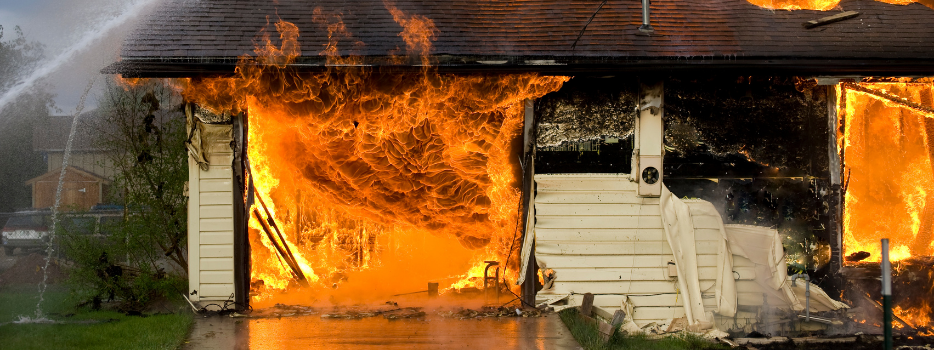
Fall home maintenance often includes installing storm doors, cleaning gutters, and scheduling a furnace tune-up. Your garage also deserves attention, especially before colder weather brings more heating, charging, and electrical equipment inside.
The U.S. Fire Administration estimates that 343,000 residential building fires occurred in 2024. Its research on residential garage fires found that fires beginning in garages tend to be larger and spread farther than fires that start elsewhere in a home.
Electrical malfunctions are a leading cause of residential garage fires. Damaged wiring, overloaded outlets, improperly used extension cords, and charging equipment can all increase this risk. Because a garage may be separated from the main living area, a fire can grow before someone notices it.
How homeowners can prevent a garage fire
-
Store flammable products carefully. Keep gasoline, oil, paint, varnish, and propane in approved, tightly closed containers. Follow product-label instructions and, when appropriate, store them in a detached shed or outbuilding away from living spaces and ignition sources.
-
Create space around heat and flame. Keep boxes, paper, rags, and other combustible materials away from furnaces, water heaters, power tools, and appliances.
-
Avoid overloaded outlets. Plug high-demand or charging equipment directly into a properly grounded outlet, and do not connect several devices to one outlet or adapter.
-
Use extension cords only temporarily. Do not use an extension cord as permanent wiring or to power equipment that should be connected directly to an outlet. Replace cords that are frayed, cracked, warm, or damaged.
-
Charge batteries safely. Use the charger provided or approved by the manufacturer, charge on a stable surface away from combustible materials, and stop using batteries that are swollen, damaged, unusually hot, or producing an odor.
-
Keep the area clean. Remove clutter, sawdust, oily rags, and waste that can ignite or help a fire spread. Store oily rags in a listed metal container with a tight-fitting lid until they can be disposed of properly.
-
Handle gasoline outdoors. Never fill portable gasoline containers inside a garage or while the container is in a vehicle. Place the container on the ground, away from ignition sources, before filling it.
-
Use the right detection equipment. A heat alarm may be appropriate in a garage because dust, fumes, humidity, and temperature changes can trigger nuisance alarms from some smoke alarms. Ask your local fire department or a qualified professional what type and placement meet local requirements, and test the device as directed by the manufacturer.
-
Keep solid-fuel equipment out of hazardous areas. Do not install or use woodburning or coal-burning appliances where gasoline or other flammable vapors may be present. Have any heating equipment installed and inspected by a qualified professional in accordance with local codes.
Make garage safety part of your seasonal routine
At least twice a year, look for damaged cords, overloaded outlets, leaking containers, blocked exits, and combustible materials near heat sources. Make sure the door between an attached garage and the home closes fully and keep the route from the garage to the outside clear.
Keeping your garage clean and organized can go a long way toward preventing fires. Check the space regularly and take care of potential hazards before they become bigger problems.
Garage fires FAQ
What causes most garage fires?
Electrical malfunctions are a leading cause of residential garage fires. Damaged wiring, overloaded outlets, improperly used extension cords, and charging equipment can all increase the risk of a fire starting in the garage.
Can batteries start a fire in a garage?
Batteries can become a fire hazard if they are damaged, swollen, unusually hot, or producing an odor. To reduce the risk, use the charger provided or approved by the manufacturer, charge batteries on a stable surface away from combustible materials, and stop using batteries that show signs of damage.
Should a garage have a smoke alarm or heat alarm?
A heat alarm may be appropriate in a garage because dust, fumes, humidity, and temperature changes can trigger nuisance alarms from some smoke alarms. Ask your local fire department or a qualified professional what type of alarm and placement meet local requirements and test the device as directed by the manufacturer.
Is it safe to store gasoline in a garage?
Gasoline can be stored in a garage when it is kept in an approved, tightly closed container and handled according to the product label instructions. Never fill portable gasoline containers inside a garage or while the container is in a vehicle. Instead, place the container on the ground and away from ignition sources before filling it.